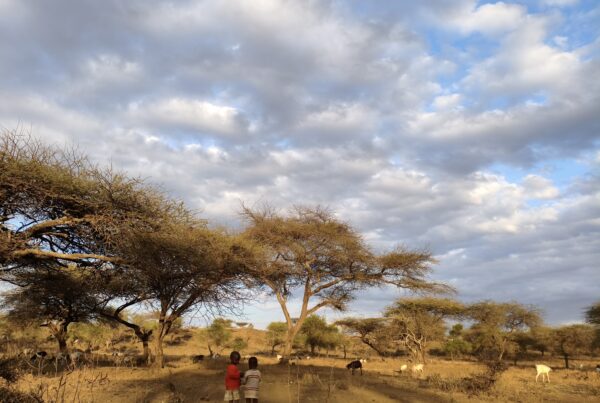
Image above by Jan Jassen
Author: Jamal Alkirnawi, A New Dawn in the Negev, Rahat, Israel (jamal@anewdawninthenegev.org)
When most people picture therapy, they imagine an office: a couch, a closed door, maybe a box of tissues on a side table.
But in parts of Israel’s Bedouin society, therapy is happening somewhere very different — in family compounds, backyard gathering spaces, and living rooms filled with relatives.
A recent initiative called “Therapy in the Backyard” is challenging conventional ideas about mental health care by bringing Arab therapists directly into Bedouin homes in the aftermath of the Gaza war.
The approach emerged after the trauma of October 7 and the war that followed. Bedouin citizens were among those killed, kidnapped, injured, and displaced. Yet many people in the community faced a dilemma familiar to mental health professionals around the world: those who needed support most were often the least likely to seek it.
In Bedouin society, mental health struggles can carry significant stigma. Emotional pain is often kept private, discussed only within the family, or interpreted through religious and cultural frameworks rather than clinical ones. Visiting a mental health clinic may feel uncomfortable, inappropriate, or even shameful.
So instead of asking people to come to therapy, the therapists decided to go to them.
The result was a model that looks less like traditional psychotherapy and more like community care. Sessions take place in culturally familiar settings. Family members are often present. Conversations may happen while children play nearby or while meals are being prepared. Therapists don’t just discuss feelings; they might also help families navigate government paperwork, compensation claims, or access to social services.
The goal is to help people reconnect with their families, communities, and daily lives after traumatic experiences.
One young man who survived the Nova music festival attack struggled with nightmares and isolation but was also carrying a secret: his family didn’t know he had attended the event. Therapy focused not only on trauma symptoms but also on rebuilding trust and support within his family.
Another woman experienced severe psychological distress after a rocket strike damaged her home. Her recovery involved addressing both the traumatic event itself and the complex family dynamics that emerged afterward.
What makes the project especially interesting is that it recognizes a truth often overlooked by Western mental health models: healing doesn’t happen in a cultural vacuum. Rather, culture, tradition, and community are often the foundations for a healthy recovery.
The therapists involved in the project describe trust as the key ingredient. Because they share the language, cultural knowledge, and social understanding of the people they serve, they can often bypass barriers that prevent individuals from seeking help in formal settings.
The program is still small and experimental, and researchers note that more evidence is needed to measure its long-term effectiveness. But its early success points to a larger lesson both for Bedouin communities and for others worldwide. We can flip the model on its head and instead of mental health care focusing on entering the therapist’s space and world, effective therapy begins when therapists enter the patients’.
Read the full article here: https://www.tandfonline.com/doi/full/10.1080/13537121.2025.2499407
Ben-Asher, S., & Al-Krenawi, J. (2025). ‘Therapy in the backyard’: mental health care in Israel’s Bedouin society following the 2023–25 Gaza war. Israel Affairs, 31(4), 631–652. https://doi.org/10.1080/13537121.2025.2499407

By Jan Jassen

By Jan Jassen